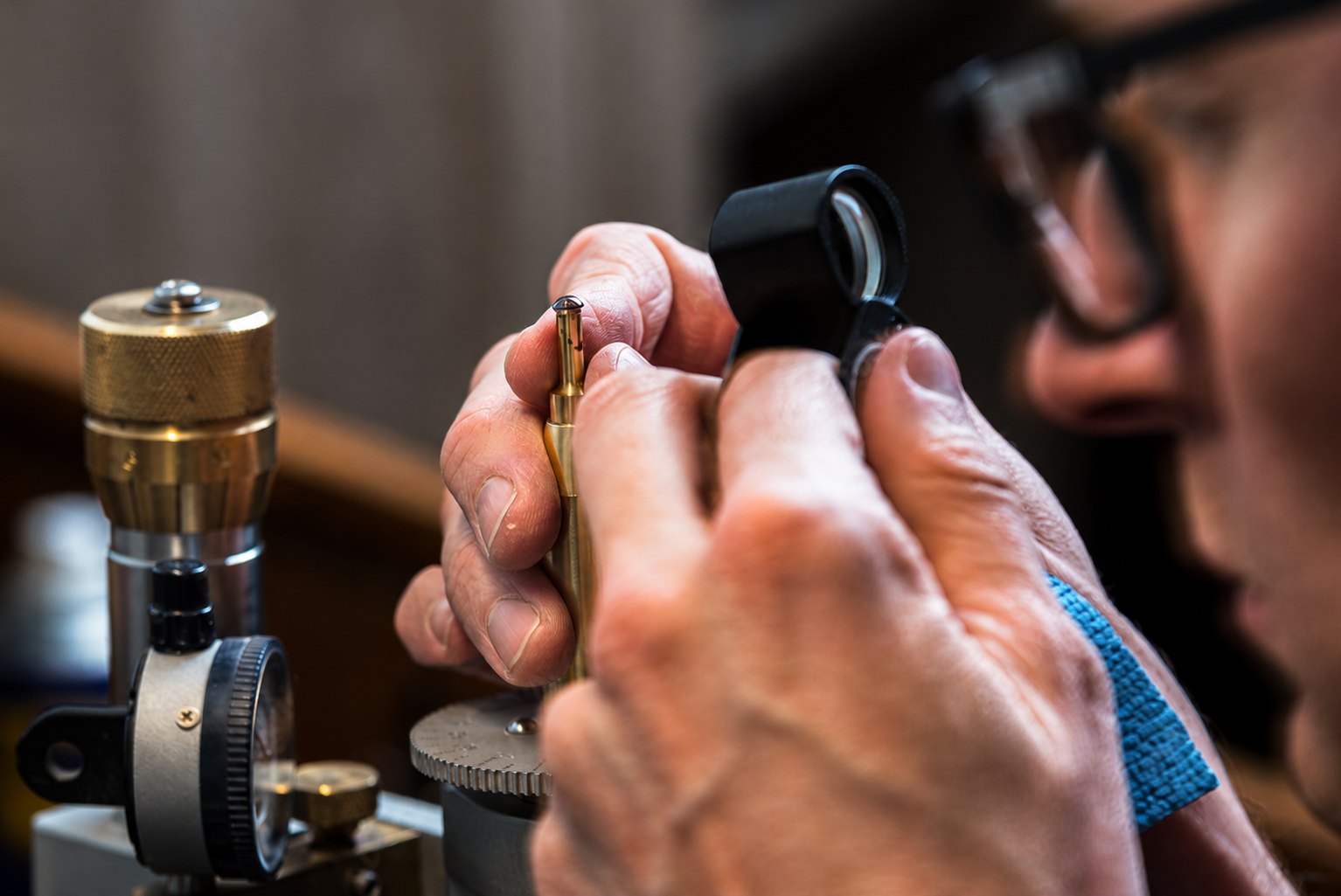
The bench, Bangkok.
Plate 01
Rough planned for yield, cut to a written plan. Worn stones recut for light — trade and private work on the same terms as the group’s own desks.
From mine-fresh rough to a heritage recut. Assessment opens every job; the stone dictates the rest.
Rough planned and cut to finished stones — yield mapped, colour oriented, angles held to tolerance. Brilliant, step, mixed or fancy.
Chipped, abraded or badly-proportioned stones recut for symmetry and face-up, keeping every point the plan allows.
Faces and girdles brought back to lustre — surface work only, no change of proportion. Ready for re-grade.
Matched pairs, suites and graduated sets cut to uniform dimension. Tolerance agreed in writing before the wheel turns.
Original faceting designs and non-standard work — portuguese, barion, concave. Per-stone consultation on what the rough will bear.
A written pre-submission read on origin and treatment likelihood, and which laboratory suits the material. Not a lab report.
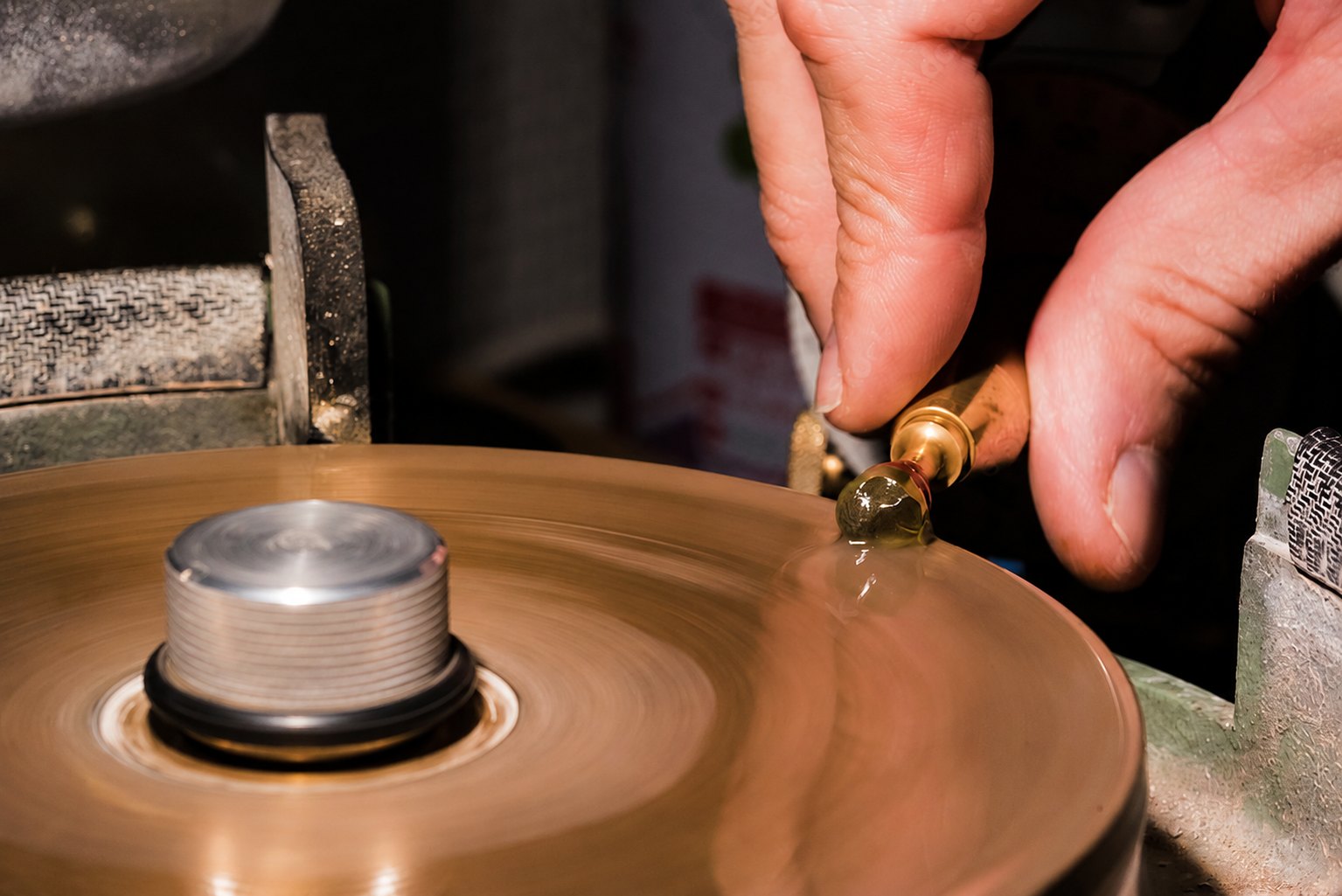
Four stages, every stone. Nothing starts until the plan is signed.
Logged, weighed, photographed against a neutral plate. Insured inbound; confirmation the same day.
Inclusions mapped, yield estimated, the plan written — design, tolerance, turnaround, price. You approve in writing.
Cut to plan — checkpoint photography at rough-in, faceting and polish. Deviations re-quoted before proceeding.
Final inspection, a dossier of finished measurements. Insured return — or direct to the lab.
Diamond and corundum take the precision work; softer material takes different speeds and different laps.
Cast-iron scaif for diamond, bonded wheels for corundum; separate equipment for natural and lab-grown.
Different speeds, different laps. Emerald handled with particular care — filled fissures logged before any work begins.
Nothing begins on the wheel until the plan is on paper and the client has signed it.
Two benches, Bangkok and Colombo, run as one workshop: same cutters, same standards, same plan-before-wheel protocol.
Bangkok works the full range; Colombo specialises in sapphire and the Ceylon tradition. Trained in Antwerp on diamond, in Bangkok on colour — over a decade at the wheel.
Every stone is cut by the cutter who agreed the plan. Estate stones and insurance recuts are routine.

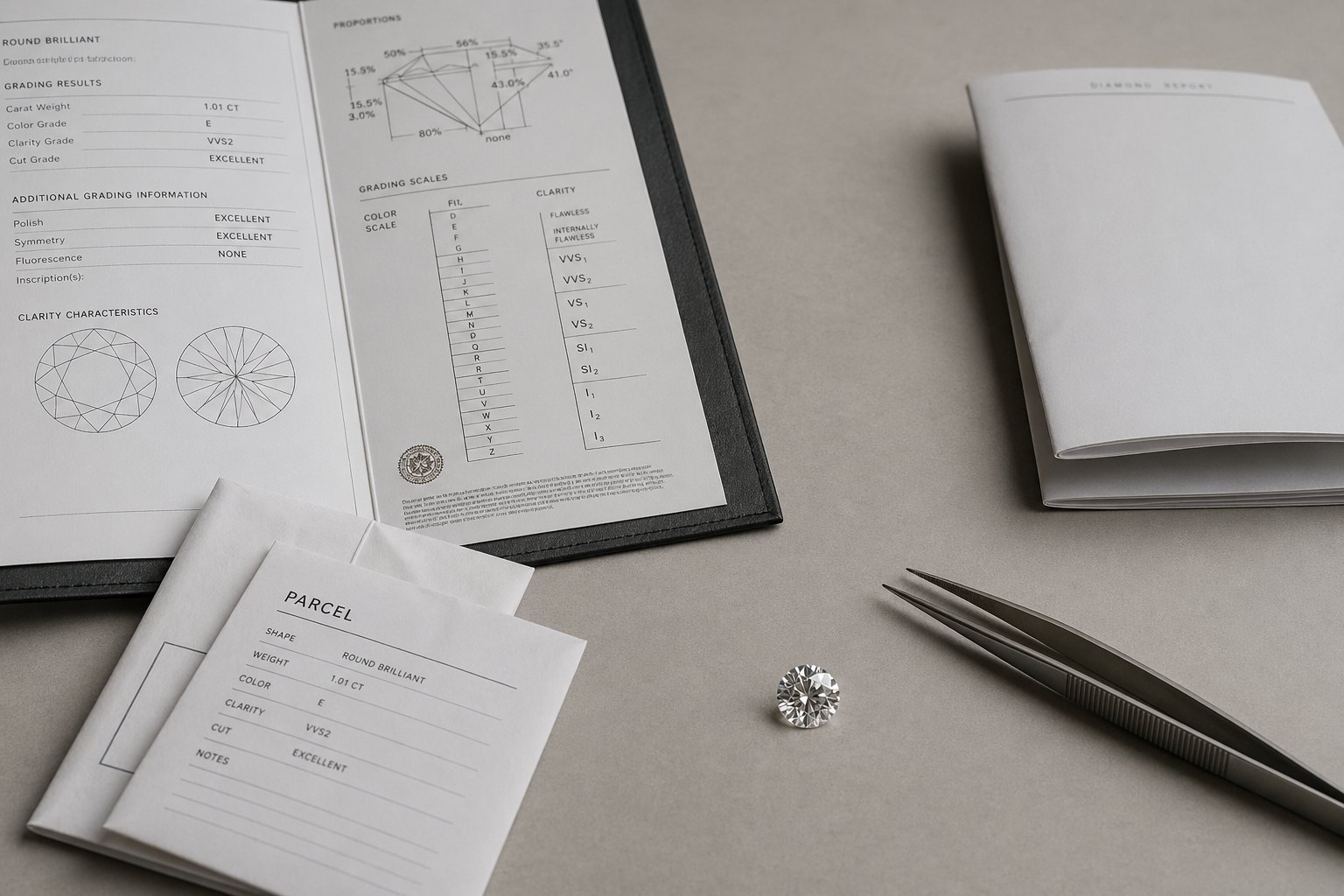
Receipt confirmed within one working day, with a shipping address and a reference number.